
Understanding SWOT Analysis: A Comprehensive Guide
by Divya Kolmi
12/2/20255 min read
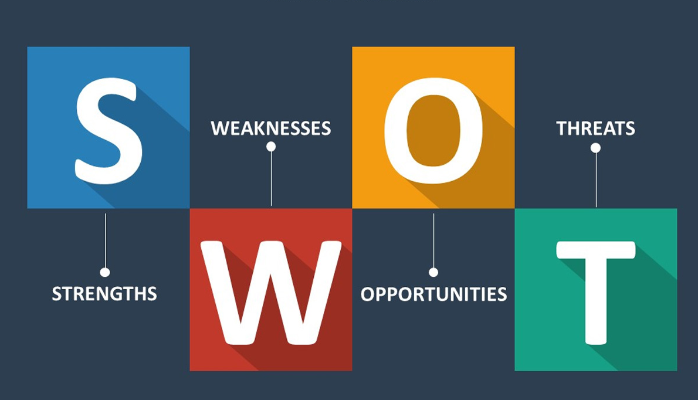
SWOT analysis is a strategic planning tool utilized to evaluate an organization’s internal and external environments. The acronym stands for Strengths, Weaknesses, Opportunities, and Threats, each representing a category of factors that influence an entity's ability to achieve its objectives. This method serves as a framework to identify and analyze critical elements that contribute to the success or challenges faced by businesses, marketing initiatives, and even individual pursuits.
The origins of SWOT analysis can be traced back to the 1960s and were developed by Albert Humphrey at Stanford University. Initially used to assess corporate performance, this analytical approach has since transcended various domains, becoming a staple in strategic planning processes across industries. By assessing strengths, organizations can capitalize on their competitive advantages, while weaknesses highlight areas for improvement. Opportunities reflect external conditions that can be harnessed for growth, and threats serve as cautionary signals that necessitate mitigation strategies.
In practice, SWOT analysis can support organizations by providing a clear overview of their current position in the marketplace or personal landscape. For instance, in a business context, a company might identify its strong brand presence as a strength, while a lack of market research could be viewed as a weakness. Conversely, entering new market segments might present a significant opportunity, and emerging competitors could be identified as potential threats. This analytical tool not only guides decision-making but also fosters strategic insights that ensure informed planning and development.
By systematically evaluating each component, stakeholders can make more informed decisions that align with their overall goals. Furthermore, SWOT analysis encourages a proactive approach to planning, enabling organizations to not just react to changes in the environment but to anticipate and prepare for them accordingly. Overall, it plays a pivotal role in shaping strategies that enhance competitiveness and effectiveness.
The Components of SWOT Analysis
SWOT Analysis is a strategic planning tool that assists organizations in assessing their internal and external environments by examining four key components: Strengths, Weaknesses, Opportunities, and Threats. Each element plays a critical role in guiding companies toward informed decision-making and strategic development.
Strengths refer to the internal attributes and resources that give an organization a competitive advantage. Identifying strengths involves evaluating existing assets, capabilities, and resources that distinguish the company from its rivals. Common strengths may include a strong brand reputation, a skilled workforce, unique technology, or financial stability. Organizations can capitalize on these strengths to enhance their market position and drive growth. A thorough internal analysis often reveals not just what an organization excels at, but also potential areas for further investment and improvement.
In contrast, Weaknesses are internal factors that may hinder an organization’s performance. These might include deficiencies in resources, lack of expertise, or operational inefficiencies. Recognizing weaknesses is crucial, as it enables organizations to address these issues proactively. For example, a company may discover that a lack of skilled personnel in a particular area is limiting its ability to innovate. Addressing such weaknesses can involve investing in employee training or restructuring departments to enhance collaboration.
The external components of SWOT Analysis, namely Opportunities and Threats, provide essential insights into the factors that exist outside the organization. Opportunities are favorable circumstances in the external environment that could be leveraged for growth and success. These may arise from market trends, technological advancements, or shifts in consumer preferences. By staying aware of emerging opportunities, organizations can adjust their strategies to capitalize on these advantageous situations.
On the other hand, Threats are external obstacles that pose risks to the organization's success. These can include competition, economic downturns, regulatory changes, or other environmental factors that might negatively impact operations. Analyzing threats is essential for developing contingency plans and mitigating potential risks. By understanding both opportunities and threats, organizations can enhance their strategic positioning and improve resilience against external challenges.
Applying SWOT Analysis in Practice
SWOT analysis is a valuable strategic planning tool that organizations use to identify their Strengths, Weaknesses, Opportunities, and Threats. To effectively apply SWOT analysis, it is crucial to follow a structured approach. Begin by assembling a diverse team of individuals who can contribute various perspectives, including members from different departments. This diversity will enrich the analysis and promote comprehensive discussions.
Once your team is established, organize a brainstorming session to evaluate each component of the SWOT framework. Start with the strengths of the organization. Encourage team members to identify internal attributes that give the organization a competitive edge. It may include skilled personnel, proprietary technologies, or strong brand recognition. Document these findings clearly, as they form the foundation for potential strategic advantages.
Next, shift the focus to weaknesses. This aspect identifies areas where the organization may be at a disadvantage. It could encompass inadequate resources, lack of market presence, or suboptimal performance metrics. Understanding these weaknesses is crucial, as it allows organizations to develop strategies for improvement.
Another vital component involves exploring opportunities, which includes potential markets to enter, emerging trends, or new partnerships. Encourage team members to think externally and identify favorable conditions that could enhance the organization’s future performance. Documenting these opportunities will foster a proactive strategic approach.
Lastly, address threats that could jeopardize the organization's success. This includes external factors such as competitive pressures, economic downturns, and changing regulatory environments. Understanding these threats can prepare organizations to effectively manage risks.
Real-world examples showcase the effectiveness of SWOT analysis. For instance, a technology startup may use SWOT to pivot its business strategy, allowing it to identify a niche market and capitalize on its strengths while mitigating identified threats. By consistently employing SWOT analysis in practice, organizations foster a culture of thoughtful strategy formulation and informed decision-making.
Limitations and Considerations of SWOT Analysis
SWOT analysis is a widely used strategic planning tool, but it is essential to acknowledge its limitations and potential pitfalls. One common misconception is that SWOT analysis provides a complete and definitive picture of a situation. While it is a valuable method for identifying strengths, weaknesses, opportunities, and threats, it can oversimplify complex scenarios, leading to hasty conclusions. Organizations that rely solely on SWOT analysis may overlook critical factors that influence their strategic direction.
Another significant risk associated with SWOT analysis is the static nature of the information often presented. As markets and environments evolve, so too do the strengths, weaknesses, opportunities, and threats facing an organization. Therefore, it is essential to update SWOT analyses regularly to reflect changing circumstances. A static or outdated analysis can misguide decision-makers and affect strategic outcomes adversely.
Moreover, integrating SWOT analysis with other strategic tools can greatly enhance its effectiveness. Tools such as PESTLE analysis, Porter’s Five Forces, and balanced scorecards can provide additional context and depth to the insights gathered through SWOT analysis. By combining these various frameworks, organizations can develop a more comprehensive view that considers external and internal factors, ensuring that they make well-informed decisions.
Lastly, involving a diverse group of stakeholders in the SWOT analysis process can mitigate some of its limitations. By gathering various perspectives, organizations can avoid cognitive biases and blind spots, leading to a more nuanced understanding of their strategic position. In conclusion, while SWOT analysis is a valuable tool, it is crucial to recognize its limitations, regularly update the findings, and integrate it with complementary tools to enhance decision-making processes. This comprehensive approach will ensure that organizations are better equipped to navigate the complexities of their environments.
Explore More Business Articles
Contact
Questions? Reach out anytime.
© 2025 BizSphere. All rights reserved.