
Oil Supply Disruptions and Economic Outlook
by Divya
3/11/20263 min read


In the ever-evolving landscape of U.S. and global markets, the recent fluctuations in energy and stock prices have captured significant attention. The latest insights from Mike Dolan, Reuters' Editor-at-Large for Finance and Markets, delve into the current state of affairs, particularly focusing on the implications of geopolitical tensions in the Middle East and their impact on oil prices.
Market Holding Pattern
Energy and Stock Markets: Both sectors are currently in a state of uncertainty, following volatile movements earlier in the week. The markets are awaiting concrete evidence regarding the potential easing of oil and gas supply disruptions stemming from ongoing conflicts in the Middle East.
President Trump's Optimism: Despite President Trump's assertions that the conflict may conclude swiftly, the reality on the ground suggests otherwise. Reports of intense bombardments and ongoing shipping blockades in critical regions like the Strait of Hormuz paint a more complex picture.
Oil Price Dynamics
Initial Decline and Rebound: Oil prices initially dipped below $90 per barrel due to the International Energy Agency (IEA)'s proposal for a historic release of oil reserves. However, prices rebounded as traders processed this information. Goldman Sachs estimated that such a release could offset a significant portion of the projected export disruptions in the Gulf.
Market Reactions: The sharp rise in crude prices earlier in the week, reaching nearly $120 per barrel, has established a new price parameter, contingent on the duration and resolution of the Iran conflict.
Wall Street and Global Markets
Mixed Responses: Wall Street exhibited a mixed performance, with major indexes closing largely flat amid ongoing geopolitical tensions. Global shares showed some stability, with notable gains in Japan's Nikkei and South Korea's KOSPI, while European stocks faced downward pressure.
Currency Movements: The U.S. dollar experienced a rebound after an early-week decline, as traders remained cautious yet optimistic about a quick resolution to the conflict.
Upcoming Economic Indicators
Inflation Data: Traders are keenly awaiting the release of U.S. Consumer Price Index (CPI) data for February, which is expected to reflect the impact of rising gasoline prices due to the escalating conflict. Additionally, the February Personal Consumption Expenditures (PCE) data, the Federal Reserve's preferred inflation measure, is anticipated to provide further insights into economic conditions.
Corporate Developments
Oracle's Performance: In a notable corporate development, Oracle's shares surged by 8% following positive quarterly results, highlighting the ongoing significance of AI in driving revenue growth and investor confidence.
Concerns in Private Credit: However, concerns regarding the quality of loans held by private credit funds are mounting, with JPMorgan Chase reportedly marking down certain loan portfolios and tightening lending practices.
Chart of the Day
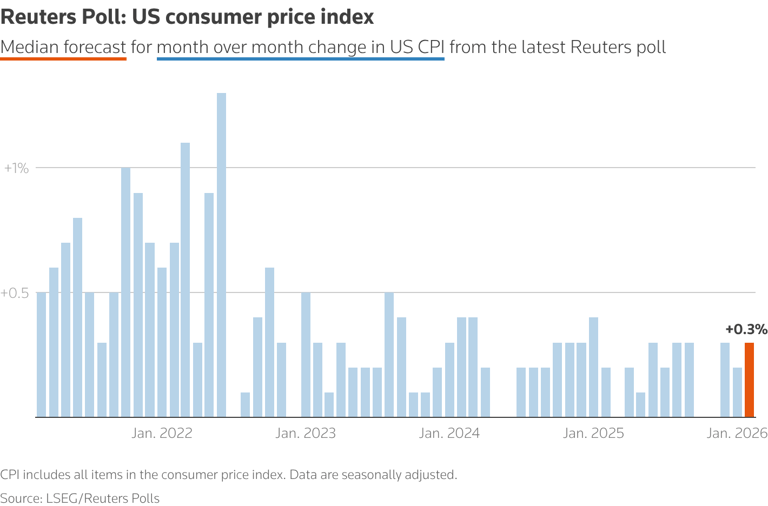
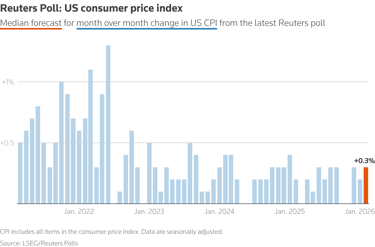
The anticipated increase in the Consumer Price Index (CPI) reflects not only the rising cost of gasoline but also the lingering effects of tariffs imposed during President Trump's administration.
Today's Events to Watch
- U.S. February CPI (8:30 AM EDT)
- U.S. 10-year note auction
- Fed's Michelle Bowman speaks
- OPEC Monthly Oil Market Report
Opinion :
In my view, the current state of the markets underscores the delicate balance between geopolitical events and economic indicators. The volatility in oil prices is a stark reminder of how interconnected our global economy is, and how quickly sentiment can shift based on news from distant regions. While optimism about a swift resolution to conflicts is understandable, it is crucial for investors to remain vigilant and prepared for continued fluctuations.
Moreover, the potential rise in inflation due to escalating oil prices could have lasting implications for consumer behavior and economic policy. As we navigate these uncertain waters, a focus on diversification and risk management will be essential for investors looking to safeguard their portfolios against unforeseen market movements.
This detailed news post captures the essence of the original article while providing additional insights and personal opinions to enhance the reader's understanding of the current market dynamics.
Contact
Questions? Reach out anytime.
© 2025 BizSphere. All rights reserved.