
Inflation Is Cooling - But Don’t Celebrate Too Soon
by Divya Kolmi
2/19/20262 min read
January’s CPI report delivered something Wall Street has been craving: a downside surprise.
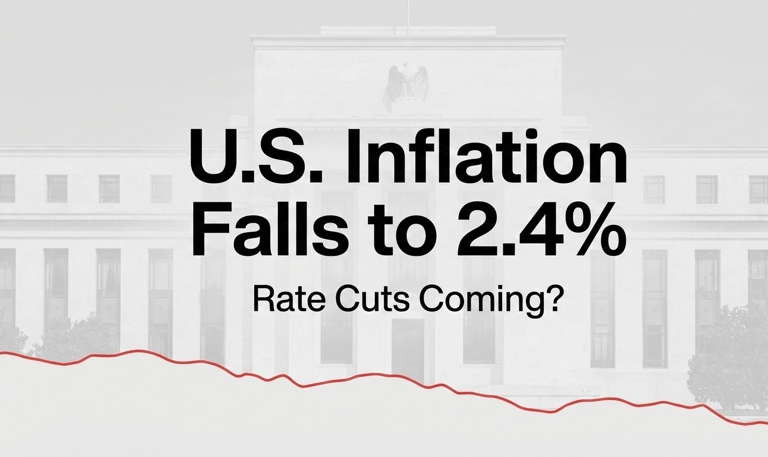
Consumer prices rose 2.4% year-over-year, slightly below expectations and down from the prior month. Core CPI, which strips out food and energy, came in at 2.5%, the lowest since 2021. Markets immediately did what markets do: priced in a higher probability of rate cuts from the Federal Reserve as early as June.
But before we declare victory over inflation, let’s zoom out.
Yes, This Is Good News
There are genuinely encouraging signals here:
Shelter inflation cooled to 0.2% monthly.
Energy prices fell 1.5%.
Used car prices dropped 1.8%.
Egg prices are down 34% year-over-year.
For middle-class households, this matters. Food, gas, and rent cooling off provides real breathing room. After two years of persistent price pressure, relief is psychologically powerful. And markets noticed. Treasury yields dipped. Rate-cut odds jumped. Optimism resurfaced.
But…The 2% Problem Isn’t Gone. The Fed’s target is 2%. We’re still above it. Inflation has been “cooling” in waves for over a year now - only to stall each time. What makes this different?
The broader economy is still running hot. The Atlanta Fed’s GDP tracker shows growth near 3.7%. That’s not recession territory. That’s expansion.
Meanwhile:
The labor market remains fragile, adding only about 15,000 jobs per month last year.
Consumer spending flattened into the holidays.
Tariffs introduced under Donald Trump haven’t caused broad inflation — but they’ve lifted prices in targeted sectors like appliances and furniture.
So the inflation story is improving, but the macro picture is mixed.
Markets Are Betting on Cuts. The Fed May Not Move Fast.
The futures market now sees an 80%+ chance of a June rate cut. But central banks don’t operate on hope - they operate on sustained trends. The Federal Reserve doesn’t even use CPI as its primary inflation gauge. It prefers the Personal Consumption Expenditures (PCE) index. One CPI print won’t be enough to shift long-term policy if PCE tells a different story.
There’s also a philosophical split forming in Washington. Treasury Secretary Scott Bessent argues growth itself isn’t inflationary - only growth constrained by supply. That’s a supply-side view of the economy. If supply expands through investment and policy shifts, inflation could ease without crushing growth. If supply doesn’t keep up? We’re back to square one.
The Real Question: Is This Disinflation or Just a Pause?
Inflation falling from 2.7% to 2.4% is progress. But sustainable disinflation requires:
Consistent moderation in shelter costs
Stable labor markets without wage acceleration
Energy prices staying contained
No new policy shocks
We’re not fully there yet. This report is a step in the right direction - not the finish line.
What Investors Should Watch Next
The upcoming PCE inflation data
Wage growth trends
Rate-cut communication from the Fed
Whether growth stays above 3%
If inflation keeps drifting lower while growth remains strong, that’s the elusive “soft landing.” If inflation stalls again, rate cuts could be delayed and markets may need to reprice expectations quickly.
January’s inflation report is encouraging. It suggests the U.S. economy might be threading a narrow needle: cooling prices without collapsing growth. But one data point doesn’t end a two-year inflation battle.
Relief? Yes.
Victory? Not yet.
Contact
Questions? Reach out anytime.
© 2025 BizSphere. All rights reserved.