
Xi, Trump, and the Quiet Power Game Behind a 'Friendly' Phone Call
by Divya Kolmi
2/4/20263 min read
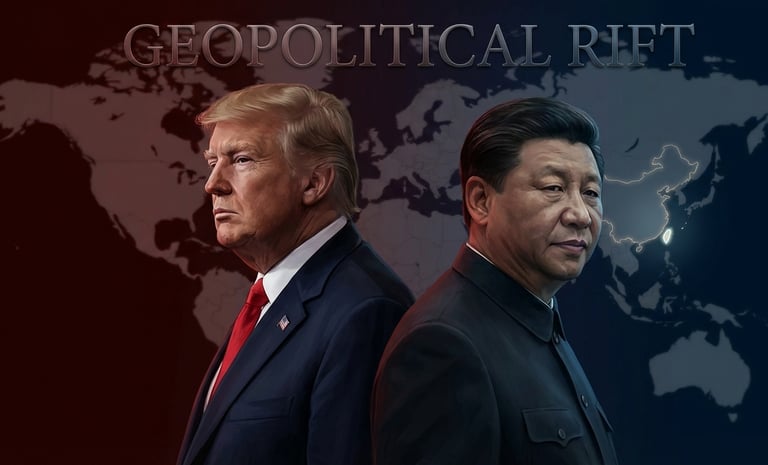
At first glance, the latest phone call between U.S. President Donald Trump and Chinese President Xi Jinping looks like a routine diplomatic exchange - cordial words, big topics, and promises of cooperation. But when you read between the lines, it becomes clear that this conversation was less about friendship and more about carefully reasserting power, priorities, and red lines.
Trump described the call as “long and thorough,” highlighting discussions around Iran, the war in Ukraine, energy trade, agricultural purchases, and his upcoming visit to China in April. On the surface, it sounded optimistic - even transactional, which is very much Trump’s style. Yet Beijing’s official readout told a slightly different story. China placed Taiwan front and center, calling it the most important issue in U.S.–China relations. That contrast alone says a lot.
From China’s perspective, this wasn’t just another diplomatic check-in. It felt like a strategic reminder. Taiwan remains a non-negotiable issue for Beijing, especially after Washington approved over $11 billion in arms sales to the island late last year. While the U.S. frames these sales as defensive and deterrent in nature, China views them as a direct challenge to its sovereignty claims. By emphasizing Taiwan so strongly, Beijing appeared to be quietly signaling: economic deals are welcome, but there are limits to how far cooperation can go.
What’s interesting is how Trump leaned heavily into economics. He focused on trade, energy purchases, agriculture, and manufacturing - areas where deals can be counted, measured, and announced. His comment about China increasing soybean purchases to 20 million tons this season, and even more next year, reflects a mindset that sees diplomacy as a series of transactions rather than ideological battles. For Beijing, this approach is convenient. A deal-driven U.S. president is easier to negotiate with than one driven by alliances or values-based coalitions.
The possibility of a massive Boeing deal - reportedly involving as many as 500 aircraft, reinforces this idea. Such an agreement would give Trump a headline victory, something tangible to point to domestically. In return, analysts suggest the U.S. could ease remaining tariffs, including fentanyl-related duties on Chinese exports. This feels less like geopolitics and more like a high-stakes business negotiation, with national interests dressed up as balance sheets.
Yet not everything was said out loud. Some of the most telling parts of this call are what didn’t come up. Rare earth minerals, an area where China holds enormous leverage - were absent from both sides’ readouts. Given how critical these materials are to technology and defense supply chains, the silence may indicate that the current flow suits both sides for now. Similarly, Venezuela was left unmentioned, despite recent U.S. military actions and Washington’s shifting tone toward Chinese investment there. Silence, in diplomacy, is rarely accidental.
Iran, however, looms large. Trump’s call with Xi came just hours after Xi spoke with Russian President Vladimir Putin, where the two leaders reportedly aligned their views on Iran and other geopolitical flashpoints. With China being Iran’s largest oil buyer and the U.S. increasing military pressure in the region, Iran has become a key test of how much cooperation or confrontation lies ahead. Trump seems to want China’s help, or at least neutrality, as he tightens pressure on Tehran. China, meanwhile, appears cautious, balancing its economic interests with its broader strategic partnerships.
What stands out to me is how this call reflects a broader pattern. Trump’s approach combines pressure and incentives - tariffs on one hand, deals on the other. China, meanwhile, responds with patience, clear red lines, and selective cooperation. Neither side is backing down, but neither seems eager to escalate either. Instead, both are positioning themselves carefully ahead of Trump’s April visit, where optics may matter just as much as outcomes.
In the end, this wasn’t just a phone call. It was a preview of the next phase of U.S.–China relations - one where trade, security, and geopolitics are tightly intertwined. Friendly words may dominate the headlines, but beneath them lies a complex power game where every omission, emphasis, and tone shift carries meaning. And if this call is any indication, the real negotiations are only just beginning.
Contact
Questions? Reach out anytime.
© 2025 BizSphere. All rights reserved.